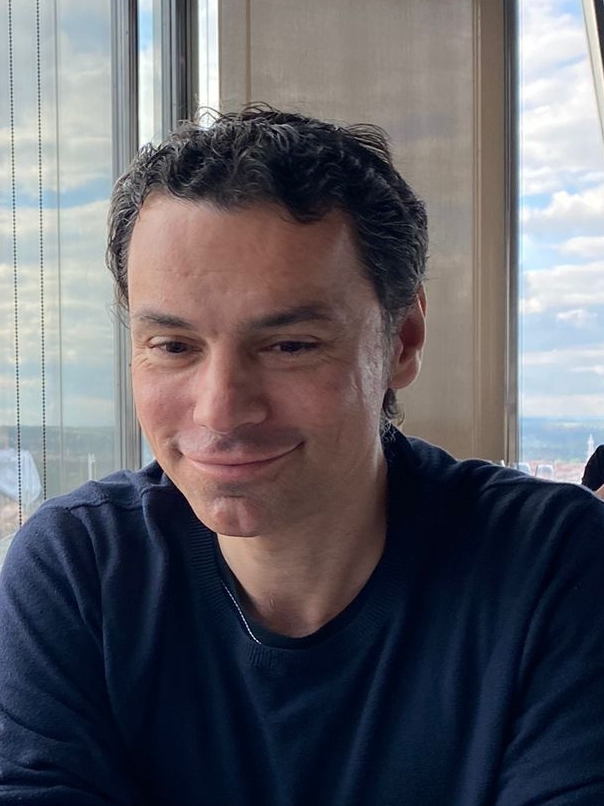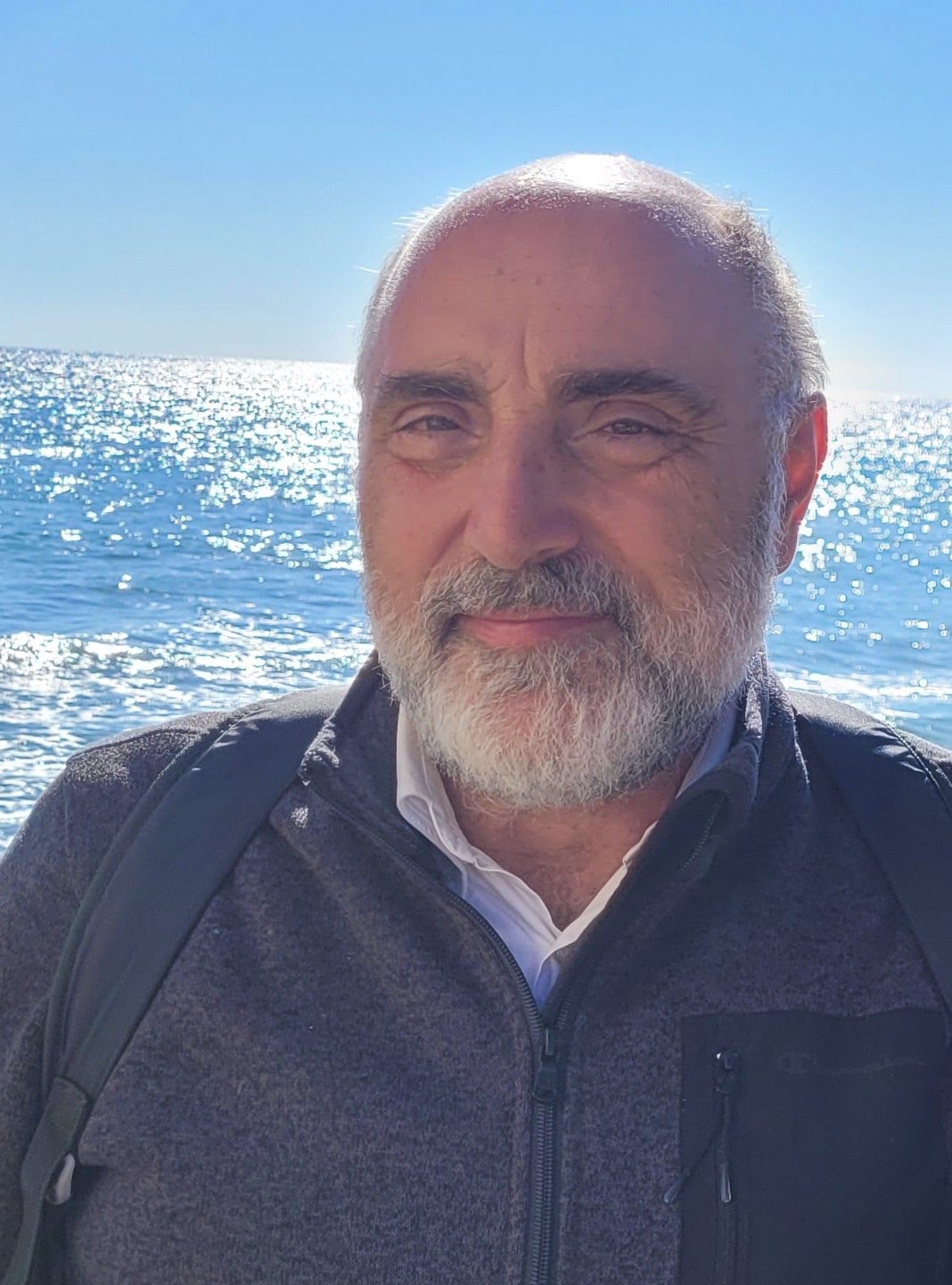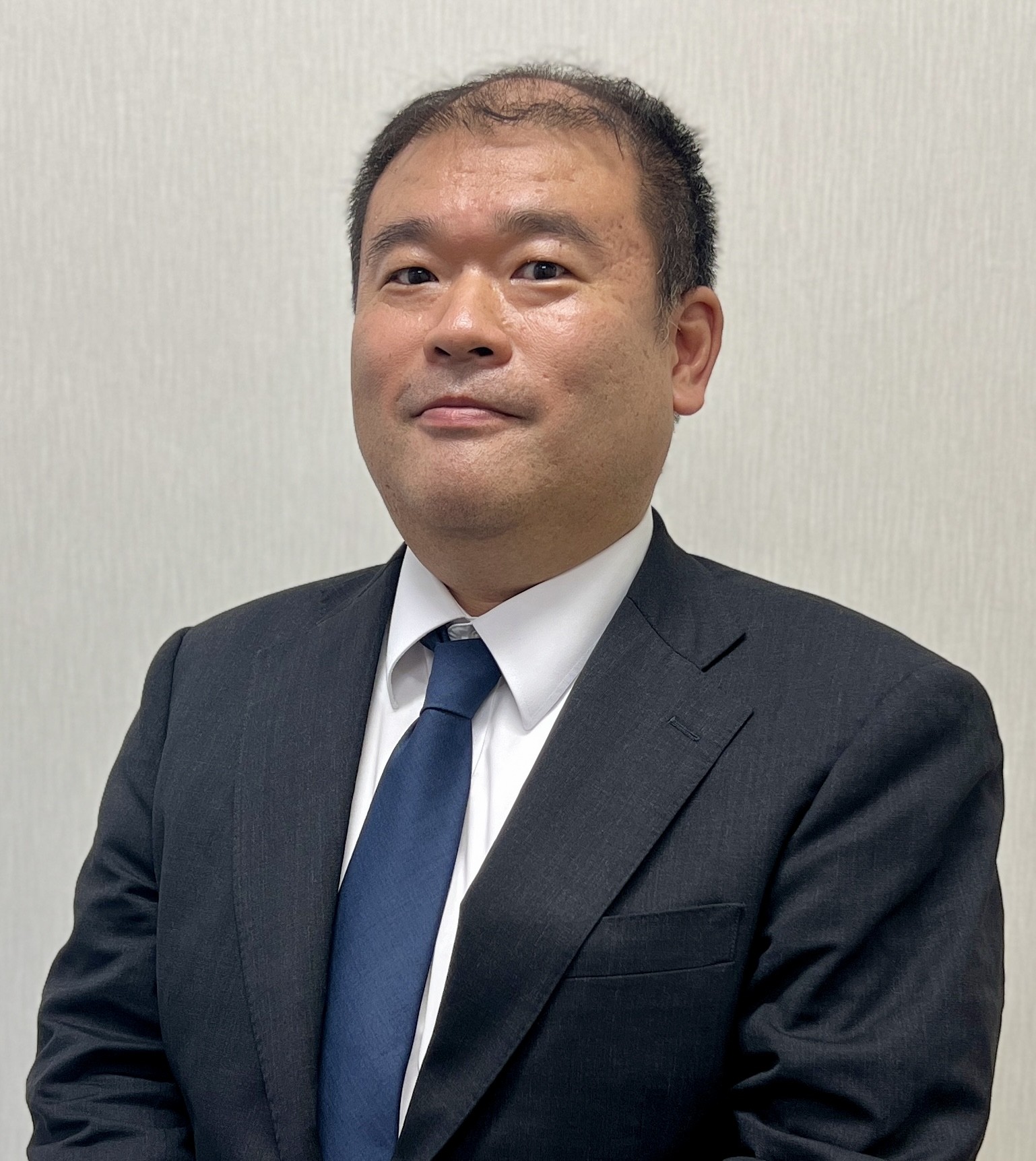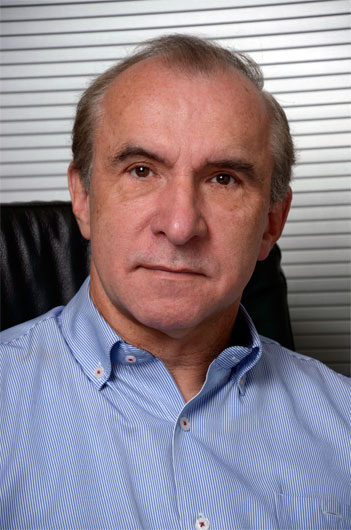
The list of keynote speakers (in alphabetical order) is constantly updated.
|
|
Prof. David B. CassidyDepartment of Physics & Astronomy at UCL, London David B. Cassidy is Professor of Physics in the department of Physics and Astronomy at University College London (UCL). After graduating from UCL in 1999 with a PhD in experimental positron physics he performed post-doctoral work in the USA, working at Harvard University, Washington State University, and the University of California, Riverside. This work involved various positron and positronium based experiments, including nuclear excitation following positron annihilation, positron beam production using accelerators, measurements of high density positronium and the formation of molecular positronium, optical spectroscopy of positronium and production of highly excited Rydberg states. In 2013 he returned to the UK to set up the positronium spectroscopy group at UCL where positron beams and traps are used to generate positronium beams that are optically excited and probed with microwave radiation. Recent work has been focussed on performing spectroscopy of the positronium fine structure.
|
|||
|
|
Prof. Simon R. CherryUniversity of California, Davis, USA Simon R. Cherry, Ph.D. is a Professor in the Departments of Biomedical Engineering and Radiology at the University of California, Davis. His research interests center around biomedical imaging and the development of in vivo molecular imaging systems. His early accomplishments were in developing high-resolution systems for positron emission tomography (PET), notably the microPET technology widely adopted in academia and industry. He has contributed to high-performance detectors for PET and multimodality imaging systems. He currently co-leads the EXPLORER project, which aims to develop the world’s first total-body PET/CT scanner. His laboratory also developed the concept of Cerenkov luminescence imaging to non-invasively image beta-emitting radionuclides using sensitive optical cameras. He is currently exploring Cerenkov radiation as an internal light source for phototherapy and fast timing in PET. His technologies study disease processes and measure therapeutic interventions in biomedical science. Dr. Cherry served as Editor-in-Chief of the journal Physics in Medicine and Biology from 2011 to 2020. He is the lead author of the textbook Physics in Nuclear Medicine. |
|||
|
|
Prof. Jakub CizekFaculty of Mathematics and Physics, Charles University, Czech Republic Jakub Cizek is a professor of physics at the Faculty of Mathematics and Physics, Charles University. He and his research group focus on characterizing lattice defects in solids using positron annihilation spectroscopy (PAS). Their main research areas include vacancies and vacancy complexes with impurities in metals and semiconductors, hydrogen trapping at defects, hydrogen-induced defects, high-entropy alloys, nanocrystalline and ultra-fine-grained materials, phase transitions, radiation damage, and characterization of free volumes in polymers. The group of Jakub Cizek is also involved in developing the PAS methodology. This includes the development of high-resolution positron-lifetime spectrometers for precise measurement of positron lifetimes and extremely low background spectrometers for coincidence measurement of Doppler broadening of annihilation radiation.
|
|||
|
|
Prof. Antonio Di DomenicoSapienza University of Rome, Italy Antonio Di Domenico is an experimental particle physicist and Professor at the Department of Physics of Sapienza University of Rome, Italy. He is affiliated with INFN, the National Institute for Nuclear Physics. His research focuses on precision tests of fundamental symmetries (CP, T, and CPT), quantum coherence, and entanglement in neutral meson systems. He has made major contributions to the KLOE and KLOE-2 experiments at the DAΦNE collider. He has served in leading coordination roles and as Spokesperson of the KLOE-2 Collaboration. He is also actively involved in the DUNE neutrino experiment at Fermilab, contributing to detector development and coordination activities. Prof. Di Domenico has extensive experience in international collaborations, university teaching, and scientific service. He has delivered numerous seminars and invited talks at international workshops and authored more than 600 publications in scientific journals.
|
|||
|
|
|||
|
|
Prof. Maciej KurpiszHead of the Department of Reproductive Biology and Stem Cells at the Institute of Human Genetics of the Polish Academy of Sciences in Poznań The professor's specialization is andrology, and his research interests also include immunology, genetics and broadly understood infertility treatment. In his achievements, prof. Maciej Kurpisz has about 400 scientific papers that he is the author or co-author of. 13 of them are books and monographs. During his extensive scientific career, Maciej Kurpisz has delivered approximately 150 lectures at international symposia, chaired numerous scientific sessions, and has also given over 40 lectures at the most prestigious universities, including: in: Boston, Los Angeles and at German, Japanese, British and Norwegian universities. You can also find popular science lectures by the professor devoted to infertility, stem cells, contraception prepared and delivered for young people. Professor Maciej Kurpisz is a pioneer of the use of stem cells in regenerative medicine. He used genetically modified stem cells for treating post-infarction heart failure in clinical trials.
|
|||
|
|
Prof. Craig LevinStanford University, USA Dr. Craig S. Levin is a Professor of Radiology, Physics, Electrical Engineering, and Bioengineering at Stanford University. He is a founding member of the Molecular Imaging Program at Stanford. He directs the NIH-NCI funded T32 Stanford Molecular Imaging Scholars postdoctoral training program. He received his M.S., M.Phil, and Ph.D. degrees in Physics from Yale University. As a recognized researcher in molecular imaging, he has over 200 peer-reviewed publications and 40 patents. He directs a 20-member laboratory that explores new instrumentation and software algorithms for molecular imaging. They introduce these tools into pre-clinical and clinical imaging studies of cancer, heart disease, and neurological disorders. He also partners with industry to disseminate these technologies into worldwide patient care products. He has secured numerous grants from government, industry, and private institutions to support this research. He lectured in a Nobel symposium in 2007. In 2012, he was elected into the American Institute for Medical and Biological Engineering’s College of Fellows and received the U.S. Academy of Radiology Research Distinguished Investigator Recognition Award. In 2020, he received the Edward J. Hoffman Medical Imaging Scientist award from the IEEE Nuclear and Plasma Sciences Society. In 2023, he received the Society of Nuclear Medicine and Molecular Imaging Mars Shot Award.
|
|||
|
|
Prof. Paul LecoqSenior Physicist at CERN, Switzerland Paul Lecoq has received his diploma as Engineer in Physics Instrumentation at the Ecole Polytechnique de Grenoble in 1972, under the leadership of Nobel Laureate Louis Néel. After two years of work at the Nuclear Physics laboratory of the University of Montreal, Canada, he got his PhD in Nuclear Physics in 1974. Since then, he has been working at CERN in 5 major international experiments on particle physics, one of them led by Nobel Laureate Samuel Ting. His action on detector instrumentation, and particularly on heavy inorganic scintillator materials has received a strong support from the Nobel Laureate Georges Charpak. He has been the technical coordinator of the electromagnetic calorimeter of the CMS experiment at CERN, which played an important role in the discovery of the Higgs boson. Paul Lecoq is the founder of the CERN-based international Crystal Clear collaboration regrouping 31 institutes and companies worldwide contributing to the development of scintillator science. He has also created the SCINT conference series in 1991, which gathers every second year the international community working on fundamental aspects, production technologies and applications of scintillators.
|
|||
|
|
Prof. M. MaheshJohns Hopkins University School of Medicine, USA M. Mahesh, MS, PhD, is a Professor of Radiology and Radiological Sciences at the Johns Hopkins University School of Medicine. His research interests focus on medical imaging, specifically computed tomography (CT), patient dosimetry, and artificial intelligence. He strives to improve radiation risk communication with patients, the public, and the media. Dr. Mahesh has published more than 160 peer-reviewed publications and delivered over 170 international talks. He authored the textbook ‘MDCT Physics: The Basics, Technology, Image Quality and Radiation Dose’. Dr. Mahesh is an elected member of the International Council of Radiation Protection (ICRP) Committee 3 (Medicine). He serves as a subject matter expert to the International Atomic Energy Agency (IAEA) and the United Nations Scientific Committee on Effects of Atomic Radiation (UNSCEAR). Dr. Mahesh is currently the Board Chair for the American Association of Physicists in Medicine (AAPM) and Vice-President for the International Organization for Medical Physics (IOMP).
|
|||
|
|
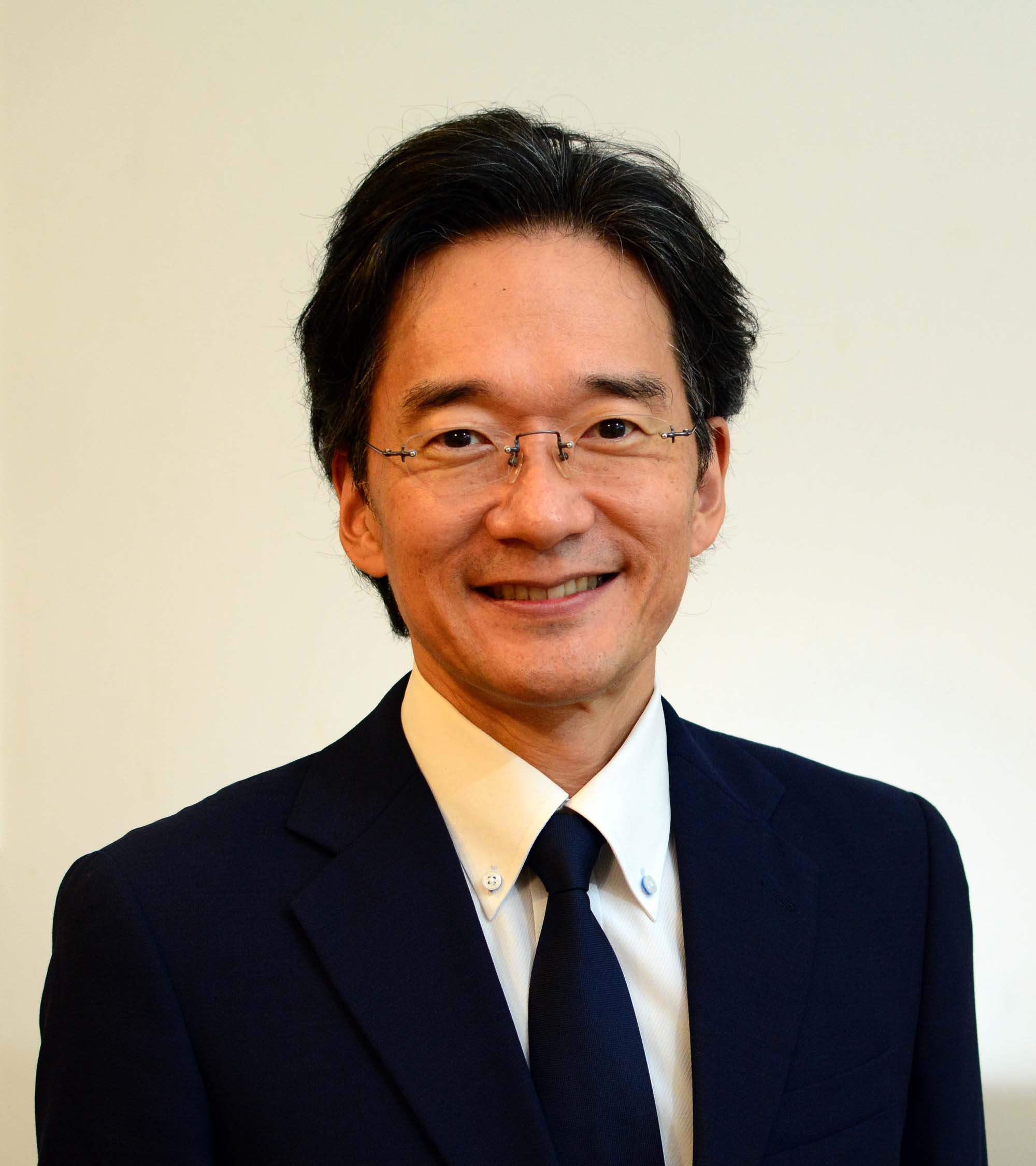
Prof. Yasuyuki NagashimaTokyo University of Science, Japan Dr. Yasuyuki Nagashima is a professor in the Department of Physics at the Tokyo University of Science. He graduated from the University of Tokyo in 1985. After working as a research associate in the College of Arts and Sciences at the University of Tokyo, he became an associate professor at the Tokyo University of Science in 2003 and a professor in 2007. He is currently the Dean of the Faculty of Science II. He specializes in atomic physics involving positrons. He specifically studies the formation and behavior of positronium, the lightest neutral atom formed by electrons and positrons. In 2008, he discovered the high-efficient emission of positronium negative ions from alkali metal coated surfaces. This led to various studies of positronium negative ions. He and his collaborators work on the photodetachment of positronium negative ions and the generation of energy-tunable positronium beams. He also discovered the desorption of atoms forming a solid as ions when a slow positron beam is injected into a solid.
|
|||
|
|
Prof. Pawel OlkoInstitute of Nuclear Physics, Polish Academy of Sciences (IFJ PAN), Poland Prof. Pawel Olko, M.S., Ph.D., is a Professor at the Institute of Nuclear Physics, Polish Academy of Sciences in Kraków. He is active in the fields of proton radiotherapy, medical physics, and dosimetry. He has published more than 280 peer-reviewed papers. He is the former director of the Cyclotron Centre Bronowice, which is the first Polish proton therapy centre. He heads the EURADOS sub-working group SWG 9 Dosimetry in Hadron Therapy. He is also a member of the Art.31 Group of Experts at the European Commission and chair-elect of the International Commission of Radiation Measurements and Units (ICRU).
|
|||
|
|
Prof. Elżbieta PamułaAGH University of Krakow Elżbieta Pamuła, a full professor in biomaterials engineering, has a double degree in materials science and chemical technology, and after earning a PhD, a DSc and a professorship in materials science. She was appointed as a postdoctoral researcher at UCLouvin, Belgium, and as a visiting professor at the Sydney University. Her interests include mainly polymer and lipid processing into drug delivery systems to the lungs, multifunctional implantable and injectable bone substitutes, and surface modification of biomaterials. She has published more than 170 JCR listed papers and owns 12 patents. She was a Vice-Chair of the 27th European Society for Biomaterials Conference in 2015 (1000 delegates) and the 4th International Conference of Biomedical Polymers and Polymeric Biomaterials in 2018, both organised in Kraków. She has been the Chair of the Annual Conference of the Polish Society for Biomaterials ‘Biomaterials in Medicine and Veterinary Medicine’ (organised since 1990 in Rytro, Poland). In 2016 she was elected the President of the Polish Society for Biomaterials and in 2023 the Council Member of the European Society for Biomaterials, holding the function of Education Officer. In 2020, the International Union of Societies for Biomaterials Science and Engineering awarded Prof. Pamuła the title of Fellow Biomaterials Science and Engineering (FBSE). In 2024 she was elected the Steering Committee Member of the International College of Fellows Biomaterials Science and Engineering (ICF-BSE) holding the position of Secretary.
|
|||
|
|
Prof. Katia ParodiUniversity of Munich, Germany Katia Parodi is a full professor and Chair of Medical Physics at the Physics Faculty of the Ludwig-Maximilian-University in Munich. Since 2012, she has initiated a specialization curriculum in Medical Physics within the MSc in Physics. She received her Ph.D. in Physics from the University of Dresden in 2004. She then pursued postdoctoral research at Massachusetts General Hospital and Harvard Medical School in Boston. In 2006, she returned to Germany as a tenured scientist and group leader at the Heidelberg Ion Therapy Center. She obtained her Habilitation from Heidelberg University in 2009. Her research focuses on high-precision image-guided radiotherapy. She advances methods for delivery, imaging, and in-vivo monitoring of pre-clinical and clinical ion therapy. Her work is reported in over 300 peer-reviewed publications. She has received several recognitions, including the Behnken Berger Award in 2006, the IEEE Bruce Hasegawa Young Investigator Medical Imaging Science Award in 2009, and the AAPM John S. Laughlin Young Scientist Award in 2015. She also secured an ERC Consolidator grant in 2016. She served as president of the German Society for Medical Physics in 2017 and 2018. She is the Editor-in-Chief of Physics in Medicine and Biology and has been an AAPM Fellow since 2024.
|
|||
|
|
Prof. Qiyu PengShenzhen Bay Laboratory (SZBL), China Dr. Qiyu Peng is a leading PET instrumentation scientist and a former Career Scientist at Lawrence Berkeley National Laboratory. He made early core contributions to landmark projects including OpenPET and the EXPLORER total body PET program. He has produced more than 200 publications and holds 78 patents. His work spans detector physics, advanced PET system design, and clinical high-resolution imaging technologies. At the Shenzhen Bay Laboratory, he leads the development of next-generation PET platforms. These include a freely moving wearable human brain PET system, an ultra-high-resolution dedicated brain PET/CT, and a 2-meter total body PET/CT.
|
|||
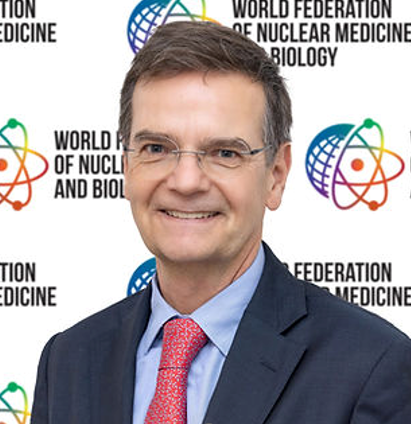 |
Prof. John O. PriorLausanne University Hospital, Switzerland Professor John O. Prior, MD PhD, FEBNM, FSNMMI is Head of Nuclear Medicine and Molecular Imaging at Lausanne University Hospital (CHUV), Switzerland. He is dual-trained in engineering and medicine with an MSc. from the Swiss Federal Institute of Technology (ETH Zurich), a PhD in Biomedical Engineering from The University of Texas Southwestern Medical Center, Dallas and a Master and doctoral degrees in medicine from the University of Lausanne. He specialized in nuclear medicine with a visiting professorship at UCLA. He is the President of the Swiss Society of Nuclear Medicine, President of the Section and Board of Nuclear Medicine of the European Union of Medical Specialists, Treasurer of the World Federation of Nuclear Medicine and Biology and serves as focal point for technical collaboration with WHO. He has authored or coauthored over 350 publications. Professor Prior has contributed to the WHA78.13 resolution on strengthening medical imaging capacity worldwide and contributes to its implementation in the global diagnostics coalition with his expertise in medicine, medical imaging, and engineering.
|
|||
|
|
Prof. Volkmar SchulzRWTH Aachen University, Aachen, Germany Volkmar Schulz, Dr.-Ing. is a Professor and Director of the Chair for Image Engineering and Image Processing (LFB) at RWTH Aachen University, one of Germany’s Universities of Excellence. His research interests center on the convergence of medical imaging physics, high-performance hardware, and artificial intelligence to architect next-generation diagnostic systems. His early accomplishments include the development of pioneering hybrid detector technologies and digital preclinical PET/MRI inserts, playing a pivotal role in the integration of Positron Emission Tomography and Magnetic Resonance Imaging. He has contributed significantly to PET instrumentation and Magnetic Particle Imaging (MPI), a radiation-free modality for ultra-fast nanoparticle tracking. Professor Schulz has an extensive track record in leading international research consortia, having coordinated several major European Union projects, including EU H2020 HYPMED, EU FP7 SBULMA, and EU FP7 Hyperimage. He currently leads high-impact initiatives at RWTH Aachen and Fraunhofer MEVIS, focusing on AI-driven image reconstruction and the development of foundational multi-task models to overcome data scarcity. His laboratory co-founded Hyperion Hybrid Imaging Systems to translate advanced PET/MRI inserts from academic proof-of-concept to clinical reality. He is currently exploring physics-informed machine learning and adversarial training to enhance the robustness and clinical utility of neural networks. His research utilizes synthetic imaging to reduce contrast agent dependency and integrates state-of-the-art foundation models—including Vision-Language-Action (VLA), Vision-Language Models (VLM), and Diffusion Transformers (DiT)—to predict disease progression and automate clinical interpretation. His technologies study molecular processes to broaden global access to high-quality diagnostics. Dr. Schulz is a frequent contributor to premier journals, including Nature Biomedical Engineering, Nature Computational Science, Nature Machine Intelligence, Nature Communications, Science Advances, Radiology, and IEEE Transactions on Medical Imaging.
|
|||
|
|
Prof. Kenji ShimazoeUniversity of Tokyo, Japan Dr. Kenji Shimazoe is an Associate Professor in the Department of Nuclear Engineering and Management and the Department of Bioengineering at the University of Tokyo. He received his bachelor’s, master’s, and Ph.D. degrees from the University of Tokyo. His research focuses on developing novel radiation imaging detectors for X-rays, gamma rays, neutrons, and related electronics. He also pioneers new medical imaging methods based on innovative principles. His work includes photon-counting X-ray imaging, Compton imaging, and quantum-inspired molecular imaging, such as quantum entangled PET and three-photon PET in nuclear medicine.
|
|||
|
|
Prof. Filip TuomistoUniversity of Helsinki, Finland Prof. Filip Tuomisto studied engineering physics and mathematics at Helsinki University of Technology, earning his doctoral degree in 2005. He was a professor of nuclear engineering at Aalto University from 2012 to 2019. Since 2019, he has been a professor of experimental materials physics and the head of the Helsinki Accelerator Laboratory at the University of Helsinki. His research focuses on the physics of point defects in semiconductors and metals. He also develops applications for positron annihilation spectroscopy.
|
|||
|
|
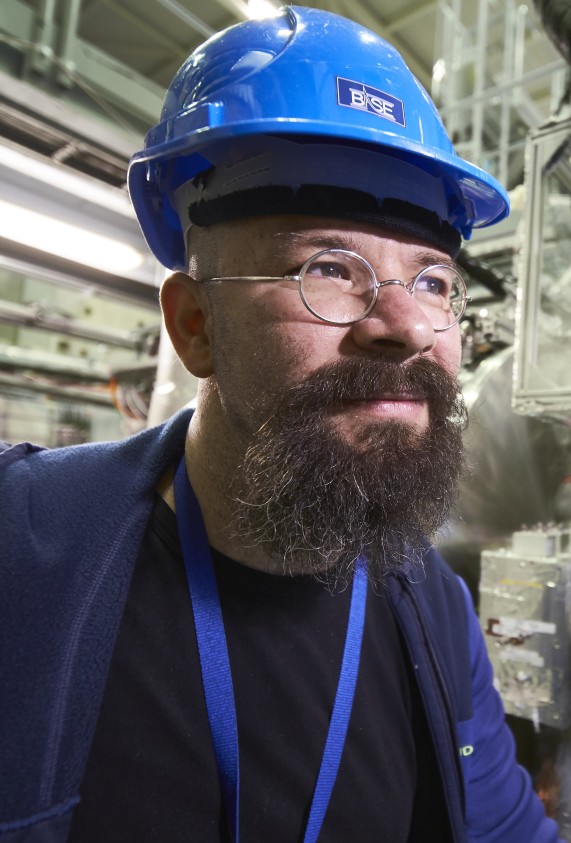
Prof. Stefan UlmerHeinrich Heine University Düsseldorf (HHU), Germany Stefan Ulmer is Professor of Experimental Physics at Heinrich Heine University Düsseldorf (HHU), Germany, Chief Scientist at RIKEN, Japan, and founder and spokesperson of the BASE collaboration at CERN. He received his PhD for the first observation of spin flips with a single trapped proton, a milestone experiment that laid the foundation for ultra-high precision measurements of the magnetic moments of the proton and antiproton. Building on this work, the BASE collaboration later performed the most precise measurement of the proton magnetic moment, achieving a fractional precision of 3 parts per billion. In 2012, he joined the ASACUSA antihydrogen experiment at CERN as a postdoctoral researcher, contributing to the production of the first beam of antihydrogen atoms, while simultaneously initiating the BASE experiment. During the first operational run of BASE in 2014, Ulmer and his team performed the most precise test of CPT invariance with baryons by comparing the proton-to-antiproton charge-to-mass ratio with a fractional precision of 69 parts per trillion, later improved to 16 parts per trillion, establishing one of the most stringent tests of matter–antimatter symmetry. Ulmer invented the antiproton reservoir trap technique, which enables long-term storage of antiprotons independent of accelerator cycles and thus allows BASE to operate precision experiments autonomously from accelerator operation. This concept has become the blueprint for modern transportable Penning-trap techniques, enabling the development of portable antimatter experiments such as the BASE-STEP transport system. In 2016, the collaboration demonstrated long-term storage of antiprotons for more than 405 days. In the same year, BASE reported the most precise measurement of the antiproton magnetic moment, reaching a fractional precision of 0.8 parts per million, which was further improved in 2017 to the parts-per-billion level. More recently, Prof. Ulmer and his team achieved the first coherent spectroscopy of a single antiproton spin, a major breakthrough in antimatter precision spectroscopy. This achievement was recognized as one of the Top 10 Physics Breakthroughs of 2025. Beyond antimatter precision measurements, Ulmer is also active in searches for physics beyond the Standard Model, including investigations of axion-like particles and millicharged dark matter, using advanced quantum-technology-based measurement techniques. For his contributions to high-precision comparisons of the fundamental properties of protons and antiprotons, he received the IUPAP Young Scientist Prize in 2014, and for his work on searches for physics beyond the Standard Model he was awarded one of the Falling Walls Breakthrough Awards in 2022.
|
|||
|
|
Prof. Taiga YamayaNational Institutes for Quantum and Radiological Science and Technology (QST), Japan Taiga Yamaya, Ph.D., is a Group Leader of the Imaging Physics Group at the National Institutes for Quantum Science and Technology in Japan. His research involves developing next-generation positron emission tomography (PET) systems. PET is a promising method to advance molecular imaging research and cancer diagnosis. However, there are demands for higher resolution, higher sensitivity, and lower cost. His studies focus on detectors, systems, image reconstruction algorithms, and data corrections to improve imaging quality in nuclear medicine. He is developing new equipment concepts based on depth-of-interaction (DOI) measurement. These include the OpenPET for joint PET and therapy imaging, a helmet-type PET for brain imaging, and the Compton-PET for whole gamma imaging (WGI) and quantum PET (Q-PET).
|
|||
|
|
Prof. Habib ZaidiGeneva University Hospital, Switzerland Habib Zaidi is the Chief physicist and head of the PET Instrumentation & Neuroimaging Laboratory at Geneva University Hospital. He is also a full Professor at the medical school of the University of Geneva. He holds professorships at the University of Groningen, the University of Southern Denmark, and Óbuda University. His research is supported by the Swiss National Foundation, the European Commission, private foundations, and industry. His work centers on hybrid imaging instrumentation (PET/CT and PET/MRI), computational modelling, radiation dosimetry, and deep learning. He was a guest editor for 14 special issues of peer-reviewed journals. He serves as the founding scientific Editor-in-Chief of the British Journal of Radiology (BJR)|Open, Deputy Editor for Medical Physics, and is on the editorial board of other leading journals. He is a fellow of the IEEE, AIMBE, AAPM, IOMP, AAIA, and the BIR. His academic accomplishments have been recognized with numerous awards, including the 2003 Bruce Hasegawa Young Investigator Medical Imaging Science Award, the 2010 Kuwait Prize of Applied Sciences, and the 2023 John Mallard Award. Prof. Zaidi has delivered over 250 keynote lectures internationally. He has authored over 482 peer-reviewed articles and edited four textbooks. |